

Are you hearing strange noises such as chirping sounds at night coming from within your home?
Have you noticed changes in the temperature or environment that indicate something might be living within the walls?
It could be a sign of a bigger problem – bats living in your home or perhaps a dead bat in the house.
Well, no one wants to come home and find out that there are bats in their house.
Unfortunately, sometimes it happens despite our best efforts to prevent it from happening. More often as the weather starts to warm up, they often seek out places away from the cold, invading the small holes in your houses such as roofs, entry points, or exit points in attics.
In this article, we’ll break down the telltale signs of bats in the house and provide tips on how to get rid of them.
Signs You Have Bats in Your House
Bats are fascinating creatures – until they’re taking up residence in your home. While it’s impossible to tell if you’re hosting bats without actually seeing one, there are a few obvious signs to watch out for.
Bat Guano/ Bat Droppings
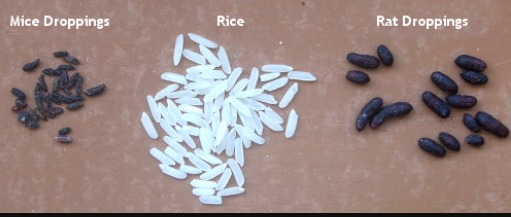
Bats often leave droppings known as guano or feces wherever they roost, so you may notice small piles of bat droppings around some common areas of your home such as attic areas, door frames, or window lodges.
Small, dark-colored pellets that resemble mouse droppings may be found near areas where bats are roosting or near entry points to your home.
A bat guano infestation may not be visible. However, signs like yellow or black stains on walls, and ceilings, musty odors, and pest infestations may indicate there is bat guano present. Finding bat droppings in the house frequently also means the bats are alive; had there been dead bats, the droppings would be occasional.
Musty Odor
Bats secrete oil from their bodies that have a musty odor. If you notice such a musty or toxic odor in your home, you likely have bats living there.
Moreover, a musty smell similar to that of a dirty gym locker or ammonia may be present in areas where there is an infestation because the guano or waste of bats is high in ammonia, so it emits a toxic odor similar to that of ammonia.
Sometimes homeowners do not see the guano but observe a pungent smell in different areas that indicates bat infestation in their house. if the odor grows strong, chances are there may be dead bats in the house.
Sightings and Bats Flying Around
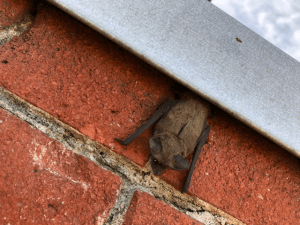
Although rarely seen, sometimes you may spot a bat flying around inside your home or near the entrance to your home.
If you observe a pattern of a group of bats flying in or out of your home, particularly just before dawn or just after dusk, there is a good chance that they have their bat entry point and roost in your house.
If you notice bats flying into and out of your home, and watch them perching on window frames and gutters, it is necessary to take immediate action and figure out their entry and exit points. As bats hunt for insects, these are common places for them to hang out.
Noise and Scratches
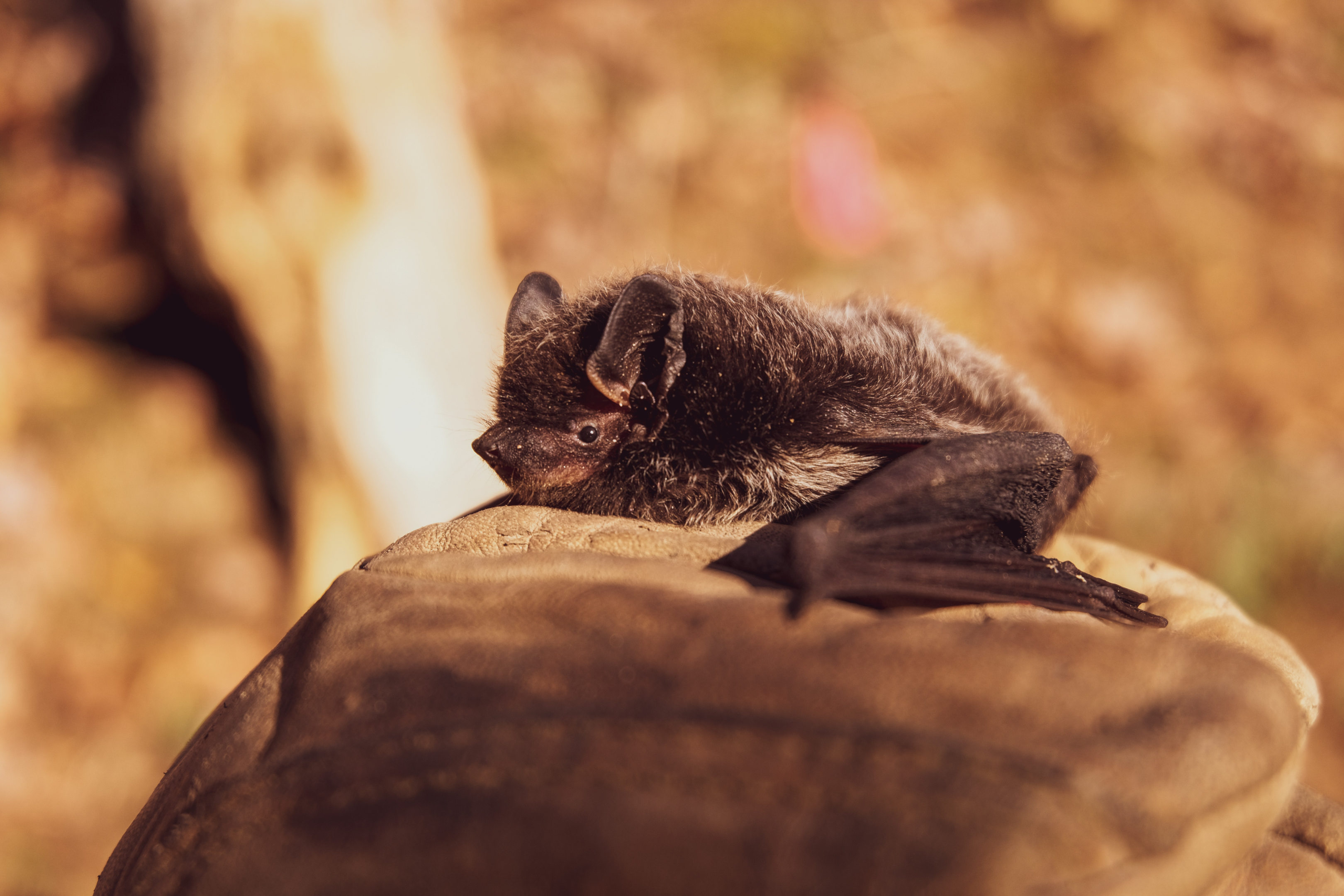
Bats are nocturnal creatures and their high-pitched squeals may be heard at night as they fly around in search of food. Many homeowners mistake the sounds as being made by mice or other insects, but closer inspection reveals an infestation of bats in your attic.
However, these sounds do not necessarily indicate bat activity in your home. Combining them with the other signs on this list may give you a helpful indication.
Bat Infestation in the Attic
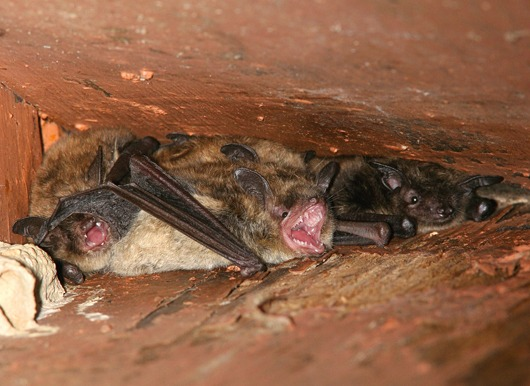
There are a few ways that bats can get into your attic. The most common way is through small cracks and openings around your home’s exterior, including your roofline. gaps in siding, and openings around windows and doors. Once they’re inside, they will roost in the insulation or other hidden areas, and soon there will be lots of baby bats in the house.
Another way bats can get into your attic is if you have a chimney. Bats are excellent climbers and can easily scale the brickwork to get inside. If you have a bat problem, you may see them coming and going from your chimney during the day or night.
Attic bats can be found in the attic close to the vents. Vents provide good airflow for attics, but they also make for good bat entry points. To keep bats out, make sure all of your vents have tight-fitting screens that are undamaged.
Bats usually get into houses by accident. They’re attracted to the warm, dark environment of an attic and may not be able to find their way back out again. If you have bats in your attic, it’s important to seal up any openings so they can’t get back in.
Why Get Rid of Bats in the House
There are a few diseases that bats can transmit to people, which is why it’s important to take precautions if you have them living in your home.
Rabies:
The most common disease associated with bats is rabies. While rabies is often fatal, it can be prevented if you receive prompt medical treatment after being exposed. It is a virus that can be transmitted through a bite from an infected bat. Symptoms include fever, headache, muscle weakness, and paralysis. If left untreated, rabies can be fatal.
Histoplasmosis:
Histoplasmosis is a fungal infection that affects the lungs. It is usually not deadly but can cause serious respiratory problems. This is a lung infection that can be caused by exposure to bat droppings. Symptoms include fever, chest pain, and shortness of breath.
If you have bats in your home, it’s important to take measures to prevent them from coming into contact with people or animals. This includes sealing up any gaps or cracks where they might enter your home, and wearing gloves and protective clothing when cleaning up any areas where they may have been present. If you think you’ve been exposed to a bat-borne disease, seek medical attention immediately.
Now that you are aware of the signs of a bat infestation and why to get rid of them, let us discuss some removal options.
Removal Options
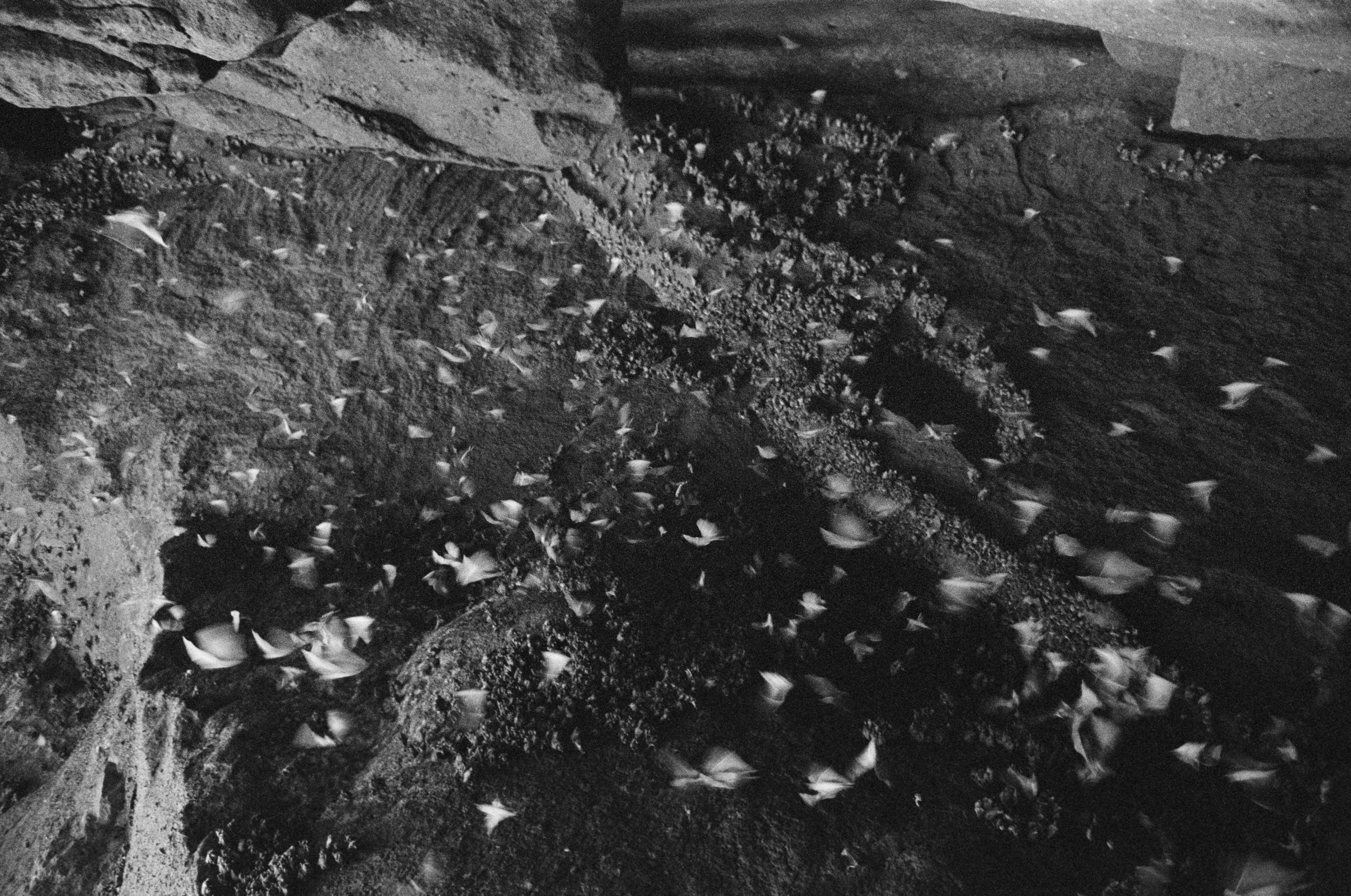
There are a few different ways that you can go about removing bats from your home. The most important thing is to make sure that you do not harm the bats in any way, as they are protected by law and get the help of a good pest control company.
There are a few ways to remove bats from the house:
Exclusion:
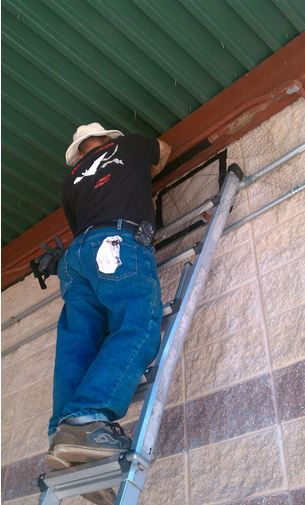
This is the process of sealing up all possible entry points into your home so that the bats can’t get back in. You’ll need to carefully inspect your attic, roof, and any other potential access points to identify potential entry points. Once you’ve found them, you’ll need to seal them up with caulk or another durable material for complete bat cleanup.
Trapping and Removal:
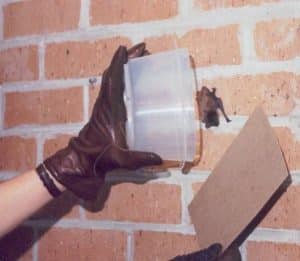
If the exclusion isn’t an option or if you’re trying to remove a larger colony of bats, you may need to resort to trapping and removal. There are many different types of traps available commercially, or you can make your own. Once the bats are trapped, you’ll need to release them far away from your home so they don’t just come back
Repel Them:
Another option is to try and repel the bats with ultrasonic sound waves or bright lights. There are many commercial products available, or you can DIY with things like a loud radio placed near the roosting area or floodlights pointed at the entry points. An expert bat removal company will best handle the procedure.
For all these measures, it is always advised to get an expert bat removal company on board that has experience in getting rid of wildlife infestation and is certified to do the job securely.
Conclusion

Bats can be sneaky and can easily sneak into your home without you even noticing. We hope that this article has served as a helpful guide for recognizing the signs of bats inside your home and how to deal with them in case you find any.
It is important to remember that the best way to avoid infestations from these pests is by taking preventive measures such as installing screens on windows and repairing cracks or holes in walls where they might enter through.
Handling bats can be extremely dangerous since they are a fickle species. So it’s not safe dealing with bats on your own. Make a wise move by getting the help of a professional wildlife removal company.
continue reading


