
The Critter Guy The Critter Guy

Seasonal

Spring Wildlife Baby Season in Ontario: What You Need to Know Before Calling for Removal

Bats, raccoons, skunks, and squirrels are raising young from April through July across Ontario. Here is why removal timing matters — and what you can do right now.

By The Critter Guy
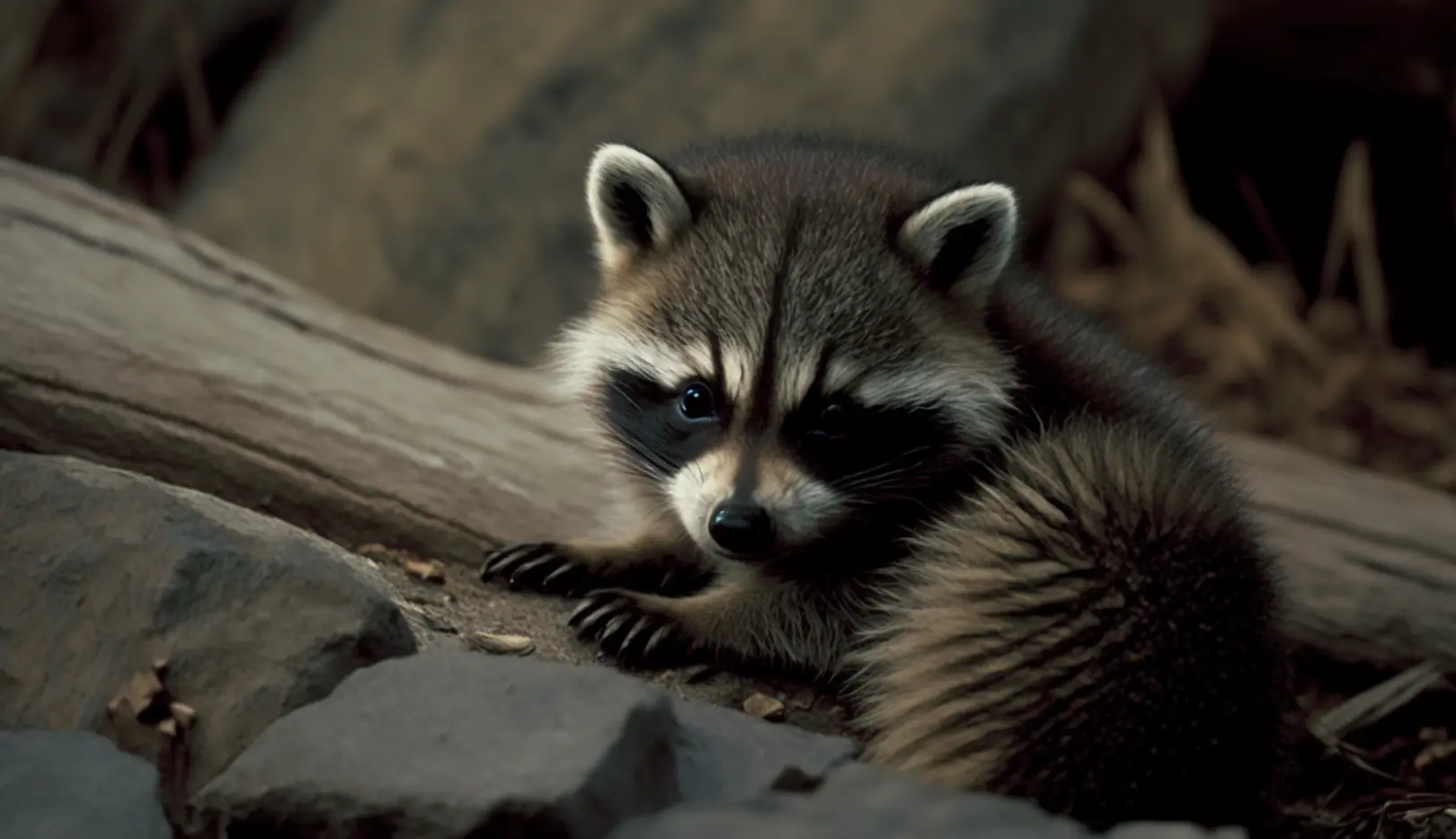
Mother raccoon resting with her babies during Ontario spring baby season

If you’ve heard scratching in your attic, found droppings on your deck, or watched a raccoon disappear under your shed in the last few weeks — you’re not alone. Late April through July is the busiest stretch of our year for inspections and scheduling, because spring brings babies into nearly every active situation.

This post explains why — and exactly what you can do right now if you have wildlife in your home.

What’s happening in Ontario homes May through July

Across Grey, Bruce, and Huron Counties, every species we work with is raising young somewhere in or near a house, barn, attic, deck, or shed. The timing is roughly:

  • Bats: maternity colonies form in late spring; pups stay flightless for six to eight weeks
  • Raccoons: kits are born late March through May; they stay in the den for eight to twelve weeks
  • Skunks: kits are born late April through early June; they stay in the den for six to eight weeks
  • Squirrels: the spring litter (eastern grey and red squirrels) starts emerging in March-April and is mobile by late May

That overlap means almost any home with active wildlife in late May has babies inside. And that changes how — and when — we can do the work.

Ontario wildlife baby-season calendarA March-to-August timeline showing when bats, raccoons, skunks and squirrels have dependent young present. All four species overlap in late May.When the babies are hereDependent young present, by species — Grey, Bruce and Huron CountiesMarAprMayJunJulAugmaternity colony, flightless pupskits in den (8 to 12 weeks)kits in den (6 to 8 weeks)spring litter, mobile late MayBatsRaccoonsSkunksSquirrelsLate MayLate May overlap: almost any home with active wildlife has babies inside.We book the inspection now and schedule the exclusion once the young are mobile.
When dependent young are present, March through August. In late May all four species overlap — almost any active home has babies inside.

Bats: seasonal timing matters

Bat work follows seasonal timing. Mothers roost with flightless pups in the warmer months, and the standard humane-exclusion method uses one-way valves that let bats leave the structure but prevent them from re-entering. If those go in at the wrong time of year, the mothers leave to feed at dusk, can’t get back in to nurse, and the pups are left inside the wall or attic.

How the one-way bat valve works, and why timing mattersTwo panels. On the left, when pups can fly, the whole colony leaves through a one-way valve and cannot re-enter, so the attic empties. On the right, installed too early, the mother is shut out at dusk and flightless pups are left inside.Why bat timing mattersA one-way valve lets bats out but never back in — so it must wait until pups can fly.RIGHT TIMING — pups can flyInside (attic)Outside (dusk)one-way valveleaves at duskno way back inAdults and pups exit together.The attic ends up empty.WRONG TIMING — pups still flightlessInside (attic)Outside (dusk)flightless pupsstill insideleaves to feedmothercannot get back inMother cannot get back to nurse.Flightless pups are left inside.
A one-way valve lets bats leave but not re-enter. Put in too early, the mother is shut out at dusk and flightless pups are left inside — so we schedule the exclusion once the pups can fly.

We book the inspection now and schedule the exclusion for the right time so the whole colony — adults and pups — exits together. Read more about our bat removal process.

Raccoons: mother and kits cannot be separated

If there are kits in the den, we will not separate them from the mother.

Our approach when we get a spring raccoon call: we inspect, document the access point, walk you through the quote, and schedule the actual exclusion for the moment the kits are mobile (typically late May to mid-June). More on raccoon removal.

What you CAN do during baby season

Schedule the inspection now. We do inspections year-round. Booking the inspection in May means you have first pick of the post-season scheduling slots.

Don’t try to seal entry points yourself. Sealing an active entry during baby season traps the mother, the babies, or both inside.

Don’t use ultrasonic repellents, mothballs, scent sprays, or bright lights. None of these work and many push wildlife deeper into the structure.

Document what you’re seeing. Photos and videos save time during inspection.

What to do and what to avoid during baby seasonTwo columns. Do now: book the inspection and document what you see. Avoid: sealing entry points yourself, which traps the animals, and repellents or mothballs, which push wildlife deeper.During baby seasonWhat helps — and what backfiresDO THIS NOWBook the inspection nowInspections run year-round. Booking inMay means first pick of post-season slots.Document what you seePhotos and videos save time during theinspection.AVOIDSeal the entry yourselfSealing an active entry traps themother, the babies, or both inside.Repellents and mothballsScent sprays, bright lights, ultrasonicdevices — none work, many push deeper.The safe move: inspect now, exclude once the young are mobile.
During baby season: book the inspection and document what you see — never seal entry points or reach for repellents.

If you have wildlife in your home this spring, get in touch. We’ll come out, identify what you have, walk you through what needs to happen and when, and walk you through the quote.

Got critters? We'll handle it.

Honest quote. Same-day response. No obligation.

Call now: 519-783-1575