
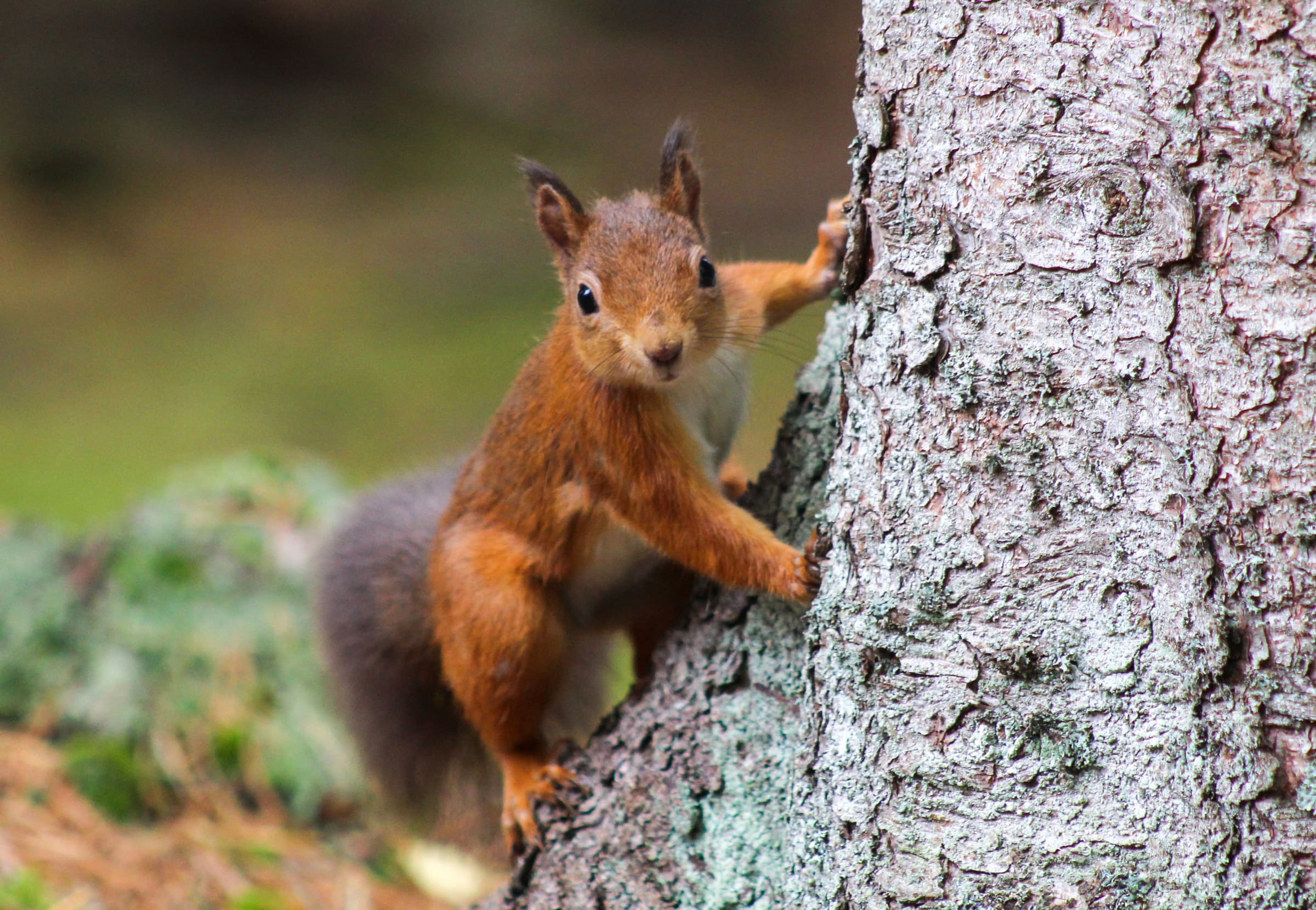
Squirrels gnaw constantly — their front teeth never stop growing — and in an attic that often means chewed electrical wiring, a documented cause of house fires. Add torn insulation, contamination, and widened entry gaps, and a fall squirrel problem is worth taking seriously. Fast, humane removal and a full seal-up is how you shut the risk down.
We’re not saying this to scare you — most attic-squirrel calls end fine, with no fire and a straightforward fix. But the reason we treat these jobs with urgency is real, so here’s the honest picture.
Why do squirrels chew wires in the first place?
Squirrels are rodents, and like all rodents their incisors grow continuously for their whole lives — a few inches a year. If they didn’t wear those teeth down, the teeth would grow too long to eat with. So squirrels gnaw. Constantly. On branches, on siding, on roof trim, and — once they’re in your attic — on whatever’s up there, including the plastic-coated electrical wiring running through your ceiling and walls.
They’re not chewing wires on purpose. Wiring just happens to be the right diameter and firmness to file their teeth against, and it’s right there in the space they’ve decided to nest in — a squirrel doesn’t know the difference between a maple twig and a live 14-gauge wire.
Can a squirrel really start a house fire?
Honestly? Yes, it’s a recognized risk — and it’s the main reason we don’t tell people to “wait and see” with attic squirrels. When a squirrel strips the insulation off a wire, it exposes bare copper that can short against a metal nail plate or another wire. A short in the middle of dry insulation and wood framing is exactly the recipe fire investigators worry about.
Rodents gnawing wiring is one of the causes Ontario’s Electrical Safety Authority and insurance sources point to when they discuss electrical house fires. It doesn’t happen on every job — far from it — but often enough to be a genuine hazard, not a scare tactic. The catch is that the damage is hidden, so a chewed wire can sit for weeks before anything goes wrong: you often don’t find out until a breaker keeps tripping, a light flickers, or you smell something hot. If you ever smell burning or see scorching, treat it as an emergency — shut that circuit off at the breaker and call an electrician (and the fire department if there’s smoke). Removal comes right after that.
What are the signs of squirrel damage in your attic?
You rarely see the squirrel itself — you notice the evidence. Here’s what to look and listen for:
| Sign | What it usually means |
|---|---|
| Scratching or scampering overhead, loudest at dawn and dusk | Squirrels are day-active — that’s when they head out to feed and return |
| A breaker that keeps tripping, or lights that flicker | Possible chewed or shorted wiring — take this one seriously |
| Chew marks on fascia, soffit, roof trim, or vents | An active entry point being widened |
| Oblong droppings, larger than a mouse’s, in the insulation | An established presence, not a one-time visitor |
| A stain around a roofline hole, or a musky (or dead-animal) smell | Repeated traffic through one entry, or contamination inside |
One or two of these can be a coincidence. Several together mean you’ve almost certainly got squirrels living up there. Our guide on how to get a squirrel out of your house covers the living-space version; this post is about the attic, which is more involved.
What damage do squirrels do besides chewing wires?
Wiring gets the headline because of the fire angle, but it’s rarely the only damage a settled-in squirrel leaves behind:
- Torn, compressed insulation. Squirrels burrow through attic insulation to nest, lowering its R-value — so your heating bills climb through a Grey-Bruce winter.
- Contamination. Droppings and urine soak into insulation and drywall over time. Heavily soiled insulation usually has to be removed and replaced, not just cleaned.
- Chewed wood and vents. Beyond wiring, squirrels gnaw rafters, soffit, fascia, and plastic roof and gable vents — widening the very gaps they use to get in.
- Bigger holes that invite more animals. A squirrel’s entry point rarely stays squirrel-sized; left open, it becomes an obvious doorway for the next squirrel — or a raccoon.
- Nesting material and cached food. Squirrel nests (called dreys) of leaves, twigs, and shredded insulation pile up, and stored nuts draw insects. If there’s a nest, our post on how to remove a squirrel nest and prevent damage covers it.
Why do squirrels move into attics in the fall?
Timing is the reason we’re writing this now. As the weather cools across Ontario through September and October, squirrels look for a warm, dry, protected place to overwinter — and your attic, insulated and up off the ground away from predators, is close to ideal.
They don’t hibernate, so they stay active all winter, coming and going to their food caches. A squirrel that moves in this fall isn’t a short-term guest — it’s planning to be there through to spring, gnawing the whole time. Squirrels have two litters a year here, so a female that moves in this fall can be raising a late-winter litter in your attic well before spring. In short: a problem you notice in October is far easier and cheaper to fix than the same one in March.
What should you do if you think squirrels are in your attic?
Work through it in order — don’t jump straight to sealing the hole, because that’s how animals get trapped inside a wall:
- Note anything electrical. A repeatedly tripping breaker or flickering lights near the area is a flag to mention when you call. If you smell burning, treat it as an electrical emergency first.
- Find the entry point from outside. Look up at the roofline for chew marks, a hole, or a stain — commonly at gable vents, soffit corners, roof edges, and where the roof meets a wall.
- Don’t seal the hole yet. Close the only exit with a squirrel or litter inside and you trap them — which means a dead-animal smell and more damage as they chew to get out.
- Skip store-bought poisons and baits. Nothing registered solves this, and a squirrel that dies in your wall is a worse problem than the one you started with.
- Get a professional set of eyes on it. A proper inspection confirms how they’re getting in, whether there are young, and what damage is done — which is what an honest quote is built on.
How does humane squirrel removal and proofing work?
The method that actually solves this is one-way exclusion plus a full seal-up — not just trapping one squirrel and hoping. A typical job:
- Inspection. We find every entry point, check for a nest and young, and assess the wiring, insulation, and contamination.
- We walk you through the quote — exactly what the job needs and what it costs, before any work starts.
- Humane removal. A one-way door over the main entry lets squirrels leave to feed but not get back in. A litter too young to leave gets handled so the family comes out together — never babies sealed inside.
- Trapping, only if needed. Where a trap is the right tool, Ontario law limits relocation to one kilometre from where the animal was caught, so squirrels stay in their home territory.
- Seal every entry with heavy-gauge steel mesh and materials squirrels can’t gnaw through, then clean up nesting material and droppings and flag chewed wiring for your electrician.
You can see the full service and the areas we cover on our squirrel removal page.
What does it cost — and will insurance cover it?
There’s no flat rate, because no two attics are the same. The price comes down to the specifics: how many entry points need sealing, whether there’s a nest with young, how much cleanup and insulation work is involved, and how hard-to-reach the roofline is. A single, straightforward entry point is a smaller job than one with multiple entries, a litter, and real contamination, which takes more time and more than one visit. We’ll look at your situation and walk you through a clear, honest quote up front.
On insurance: squirrel damage is usually treated as preventable maintenance and often isn’t covered, though fire damage from chewed wiring can be a different conversation depending on your policy. It’s worth reading our breakdown of whether homeowners insurance covers wildlife removal — and calling your insurer to ask.
Why call The Critter Guy?
We’ve been a family-run wildlife business since 2005 — Dave and Roman, based in Owen Sound and covering the surrounding Grey-Bruce region. We’re not a national franchise or a call centre — when you get in touch, your inquiry goes straight to us, and Dave, Roman, or one of our technicians will personally follow up. You deal with the people who actually do the work.
We’ve earned a 4.6-star rating across dozens of Google reviews doing it the honest way: come out, look at the real situation, and walk you through the quote — no pressure, no upsell games. And because we’re local, drive times across Grey-Bruce are short, so we can often get to an attic squirrel problem the same week.
Frequently asked questions
How do I know if it’s squirrels and not mice or a raccoon?
Squirrels are day-active, so you’ll usually hear scampering loudest at dawn and dusk, not in the middle of the night. Their droppings are bigger than a mouse’s, and their entry holes are bigger too — often at gable vents, soffit corners, and roof edges. A quick inspection settles it for certain.
Should I just seal the hole myself?
Not until you’re sure nothing is inside. Seal the only exit with a squirrel — or a litter — in the attic and you trap them, which means chewing, damage, and eventually a dead-animal smell in your wall. The safe order is remove first, then seal every entry so nothing gets back in.
How fast can you come out?
Because we’re based in Owen Sound and work across Grey-Bruce, drive times are short and we can often get to an attic squirrel problem the same week. Get in touch and we’ll follow up personally and tell you honestly when we can be there.
Hearing scampering in the ceiling, or worried about chewed wiring up in the attic? Don’t wait it out — get in touch and Dave or Roman will take a look, tell you exactly what’s going on, and walk you through the quote. No pressure, no guesswork.