

The best season for excluding bats is in the Springtime, but late Summer through Early Fall can also work well.
Bats are a really important part of our biosphere. They’re nocturnal, so they’re up all night, and they’re adaptable creatures that can set up homes in all sorts of places, from caves to attics to the occasional spare room in a house. Several species of bats are known to pollinate plants and disperse seeds, other species are known to keep in check the population of mosquitoes and bees.
And while bats aren’t usually harmful to humans, some of them carry diseases and their feces can contain fungus that can cause respiratory problems. Because of the health risks bats pose, it’s best to be cautious if you see a bat in your home.
Living in your attic
There are several different bat species like Mexican free-tailed bats, big brown bats or northern long-eared bats but only some of them decide to live in attics. The two most common types of bats that you’ll find are the little brown bat and the big brown bat. These little brown bats and big brown bats typically mate from June through August.
If you think you might have bats in your attic, the first thing you’ll probably notice is the smell. A single bat leaves a lot of guano behind – up to 20 bat guano pellets per day. Not only does this bat urine smell bad, but it can also corrode wood and drywall and promote mold growth. If there’s a large enough bat colony in your attic, you might also be able to hear them scratching and scurrying around.
Why are they here?
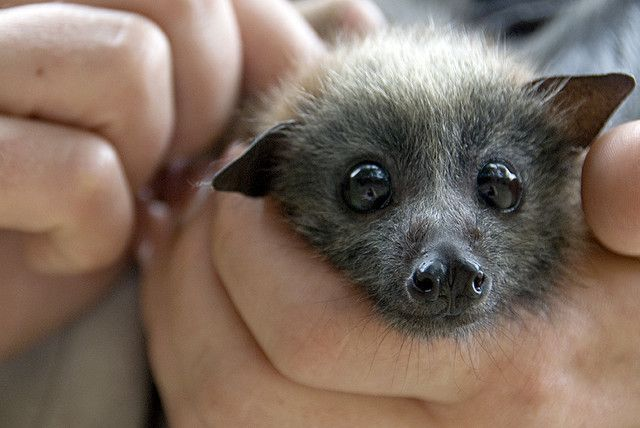
All the bats roosting in your attic are female. Male bats typically reside in trees and other structures outdoors. A female bat colony is commonly called a maternity colony. These wild animals are using your attic as a safe place to give birth to and raise young bats.
In almost all species of bats, females only have one pup a year. Young bats are unable to fly for several months and are carried by their mothers until they get too big to fly. Most maternity colonies contain about 40 bats, plus their 40 babies.
The Bat Calendar
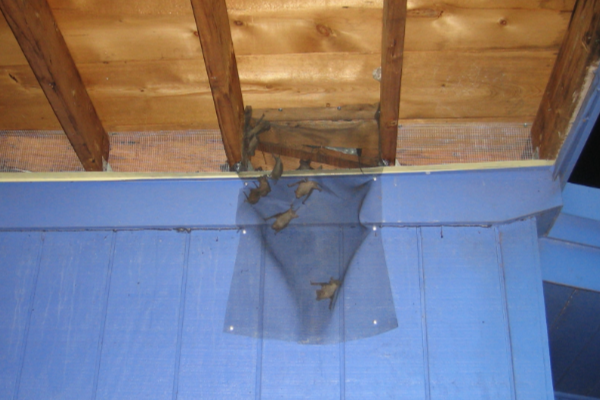
For bat exclusion, you sometimes install one-way doors that will let them out, but not back in. This way adult bats leave flightless young bats to starve. Mother bats trying to reach their offspring can cause damage to your home or fly into living spaces.
Occasionally, bats will descend the walls of your home in search of food. If they can’t find their way back to their colony, they’ll either end up in your living space through different entry points or perish.
The weather and the times when food is available to determine the bat calendar. The bats are prepared to wake up and eat when it heats up since insects become more active during that time.
January through February
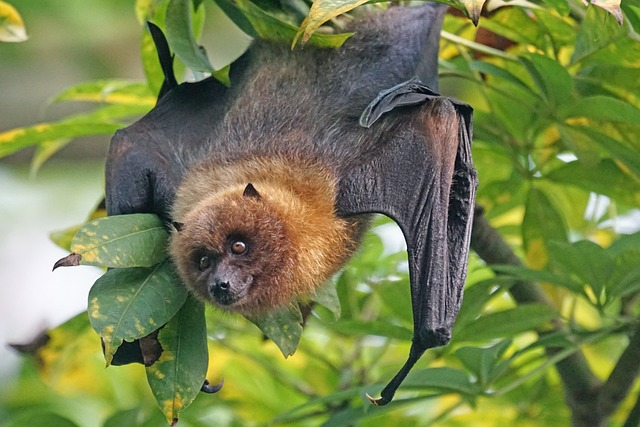
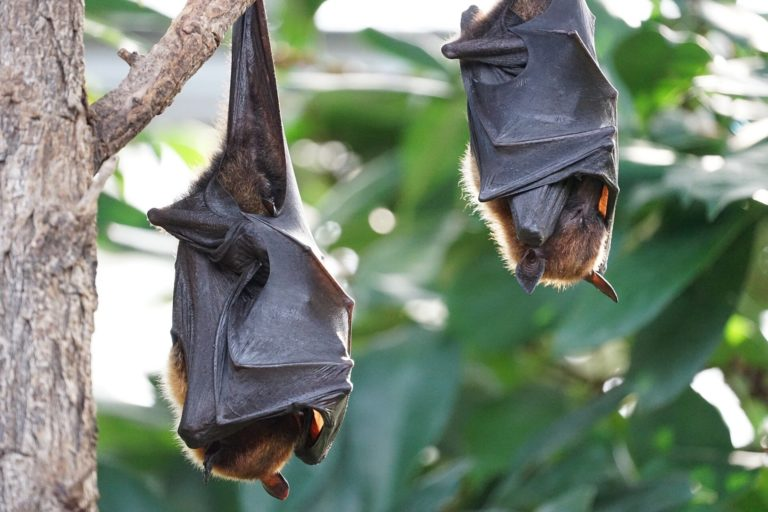
Bats take a little break in the colder months and hibernate from January through February. During this time, they sleep upside down in a safe place.
March and April
If it’s chilly, they’ll stay asleep. If it’s warm enough and there are insects to eat, then they’ll wake up and come out.
All bats come out of hibernation in the early spring, and they start to eat to restore the fat they lost during the winter. Male bats start to group in bachelor colonies and breed with female bats.
May and June
Males return to their bachelor colonies in May, and females form maternity colonies.
Females eat a lot of insects in June to gain energy before giving birth to their offspring. Depending on the species of bats, the gestation period ranges from 40 days to six months.
July and August
Most bat pups are born in July, and their mothers must give them milk and keep them warm. Approximately four weeks pass during the nursing process.
By late summer, the young bats have grown much larger and become strong enough to feed themselves. They don’t rely on their mothers for food anymore and maternity colonies break apart.
September through October
It is during this time of year when bats prepare for winter by going out to catch as much prey as they can before finding a place to stay until spring.
During November and December
Bats take to their roosting place in November and December to begin hibernation.
Why You Shouldn’t Remove Bats in June or July
If bats are living in your attic during these summer months, bat-proofing is not a good idea because female bats give birth to baby bats during the late-summer months – making it hard for homeowners to remove them themselves.
Seasonal Creatures
Bats will often migrate to different areas within a season, or if they reside in your attic, can cause extensive damage to your property. When you no longer hear bat noises or see fresh droppings, it is the right time for wildlife control.
Best season for bat exclusion
Bats often return to their homes during the early spring months after some time away. But they might decide to remain there all year if the weather is warm enough. It is the ideal time to evict bats because it is also the time of year when they breed. They haven’t quite settled down yet and are still flying around at night in search of food, which makes them simpler to capture.
Fall is also secure for bat removal. The onset of winter means that the young will soon grow old enough to fly from their nests, which makes it easier for you to trap and remove them. Bats hibernate during this season ( November through March); however, there are some rare instances when they wake up thirsty and need water. Due to this difficulty, it’s recommended you delay bat trapping
Birthing Season
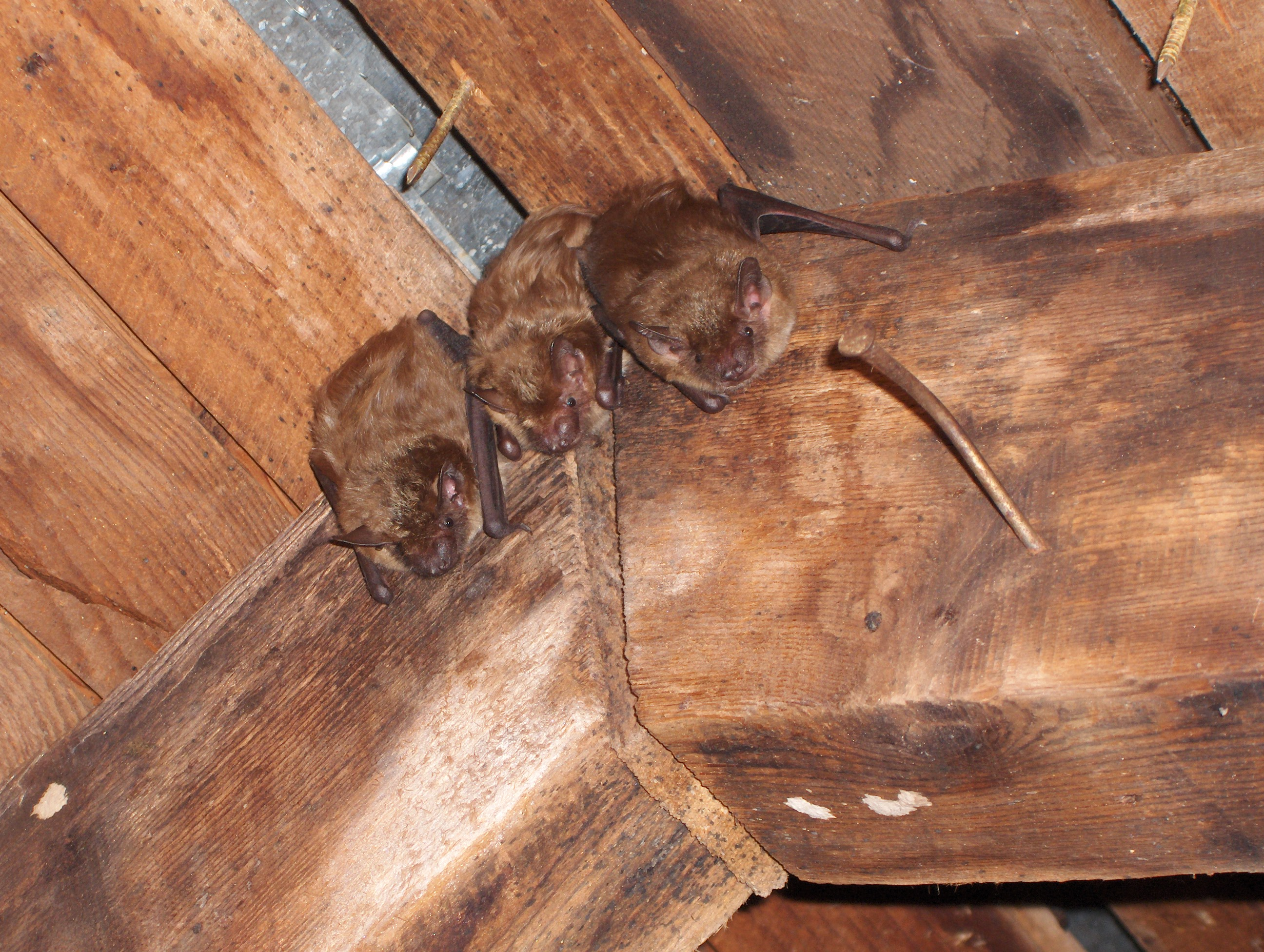
Bats give birth in the late spring. Female bats control when they get pregnant. Bat mothers nurse their babies until they are old enough to fly on their own (which takes about 6-8 weeks). After this time, bat mothers allow them to go out into the wild without her supervision or care.
It is too late for bat exclusion in your attic in June and July because the baby bats rely entirely on their mother for milk as a mother bat must be nearby because they are mammals and shelter as they are born without wings, they are powerless until they reach adulthood.
Breeding Time
Reproduction in bats can be difficult due to their brief breeding season. Mother bats control their pregnancies to take advantage of abundant food sources and favourable climates when the weather begins to warm.
If we remove the bats in June and July, when young bats are entirely dependent on their mothers, they will be locked inside without food and will eventually starve to death. Managing dead bats inside the walls is more troublesome than securely removing living ones.
It’s generally better to wait until early fall to remove bats from your home if you’ve only recently noticed a bat house. This is because babies are now able to leave the nest and fly on their own.
Problems and Consequences
It is not permitted to kill bats because they are a protected species.
It is cruel to remove the entryways of these little bats who are powerless and unprotected. If the blocking passage prevents the mother from entering to feed her young, she will look for other ways in, such as gaps or cracks or even open windows; it only takes 3/8 of an inch for a bat to enter through so no matter what there will always be some sort of entry point that can’t stop them from getting inside.
When you have a bat problem, call wildlife removal services to humanely remove bats. They can create one-way doors to keep them out of your house and prevent bats from coming back inside again. Getting rid of a colony of bats can be time-consuming and difficult, but removing them at the right time makes everything easier.
What time of year do you remove bats?
The intricate nature of bats makes them especially vulnerable during certain periods of the year when their habitat is disrupted. According to research on baby bats, the maternity season in North America is typically between June and July.
During the winter, bats usually migrate or choose winter hibernation. The colony of bats will look for sites to give birth to before they give birth and rear their young until they can fly and survive on their own.
And not to forget, as newborn bats cannot fly, they require care. Like other babies, they’re taken care of by their group – first through nursing off their mother and then through bigger offerings brought back to the group.
Unlike other animals, removing bats during this time can lead to bat colonies being impacted with the loss of many offspring; which is very rare.
CHECK WITH YOUR STATE
Each state has different bat-proofing regulations that may change over time, so it is important to check with your state wildlife agency (Natural Resources or Fish & Game) to make sure you are following the correct protocol and within the correct timeframe.
The Department of Fish & Game in New Hampshire, for example, allows bat exclusion work from mid-August to mid-May, when the maternity season begins. Similarly, the Department of Natural Resources in Maryland allows bat work from Sept. 1 until March 1, and in Florida, bat-proofing ends on April 15. Furthermore, New Jersey allows bat exclusion from Aug. 1 to Oct. 15, and again from April 1 to April 30. Finally, Arizona Game & Fish allows bat exclusion from Oct. 1 to May 1.
Alternatives
Exceptions to the rule are typically granted in instances where public health and safety may be at risk, such as if there is a rabid bat present.
Professional Bat Removal
Professional Bat Removal is a service that specializes in the wildlife control of bats from homes and buildings. They are highly trained professionals who know how to handle the job safely and humanely.
The best way to get rid of bats is by not attracting them in the first place. Bats are drawn to dark, warm places, so it is important to make sure all your windows and doors are closed at night. If you have an attic or crawlspace, make sure they have tight-fitting screens on them.
Professionals will identify the entry point and seal it not just by duct tape but professionally: Most common species of bats may enter your home through small openings in your house’s exterior like chimneys, vents, loose shingles, the ridge cap of your roof, or the eaves of your house.
Bats may also be attracted to your home if you live near a water source or feeder. If this sounds like you, it is best to remove any food sources that might attract them such as bird feeders or fruit trees.
Bat Conservation International provides a list of pest control companies that provide bat removal services and humanely exclude bats.
Conclusion
Bat exclusions are crucial as they can lead to health hazards and nuisances in your home. There can be many different species of bats living in your home that gain entry through potential entry points. Their removal process is difficult and needs proper planning.
June and July are maternity seasons and bat babies are completely dependent on their mothers for food and shelter as they can’t fly. The best time to exclude bats is in the spring, though late summer through early fall is also a good option.
continue reading


